1. Design: First, the designer will use CAD, CorelDRAW, Illustrator, and other design software to create products, optimize them, and determine the final production program based on the customer's needs or the design drawings provided.
2. Cutting: Use equipment such as cutting or laser cutting machines to cut the acrylic sheet to the designed size. This step must ensure precision cutting and reasonable material utilization.
3. Engraving: according to the shape of the acrylic product requirements, the engraving machine or laser engraving machine on the acrylic sheet engraving forms a variety of shapes and patterns.
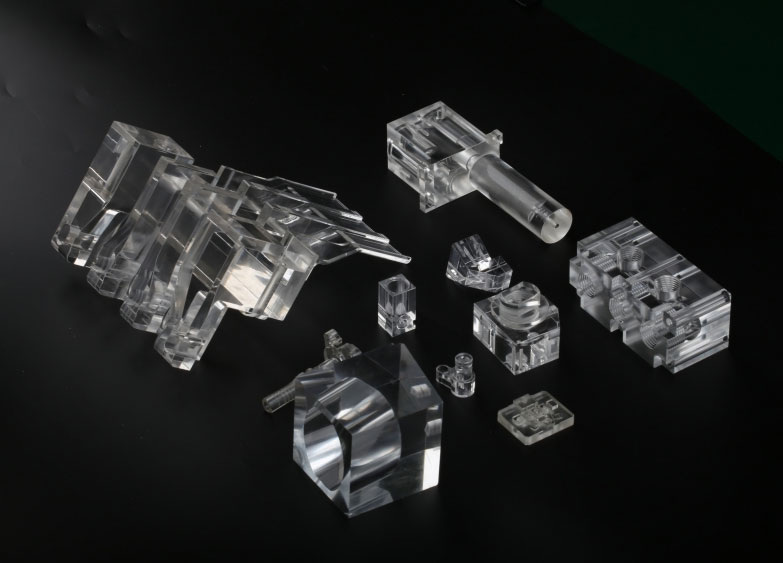
4. Polishing: polishing the edges of the open material, carving, punching, and other processes to improve the finish and feel of the product. Polishing methods include grinding wheel, cloth wheel, and fire polishing.
5. Trimming: use the trimming machine to trim the edges of the acrylic sheet after the opening or engraving process to remove burrs and uneven parts.
6. Hot bending involves using hot air guns, hot bending machines, and other equipment to heat the acrylic sheet to a certain temperature and perform bending treatments so that acrylic products present different shapes. Hot bending is divided into local hot bending and overall hot bending.
7. Punching: According to the needs of acrylic products, drilling machines, CNC punching machines, and other equipment are used to punch holes in the acrylic sheet. The location and number of holes need to be punched according to the design drawings and customer requirements to determine.
8. Silkscreen: if the customer needs to print the brand LOGO, slogan, and other text or patterns on the acrylic products, you can use the silkscreen process. Screen printing is divided into single-color and four-color (CNYK) screen printing, which are two kinds.
9. Bonding: special acrylic adhesive or another adhesive will be more than one acrylic part or component bonded together to form complete acrylic products. The bonding process needs to ensure that the position is accurate, firm, and reliable
10. Assembly: Multiple acrylic parts or components are assembled according to the design requirements to form complete acrylic products. The assembly process must pay attention to the parts' order and location to ensure the final product's quality and appearance.
Finally, the completed acrylic products for quality testing to ensure compliance with design requirements and customer requirements, packaging,g, and shipping. The whole process needs to be in strict accordance with the process.s