1/1/2025
Acrylic, or PMMA or Plexiglas, is derived from the English acrylic (acrylic plastic), chemically known as polymethyl methacrylate. It is an important plastic polymer material developed earlier, with good transparency, chemical stability, and weather resistance; it is easy to color, process, beautiful, and has a wide range of applications in the construction industry. Plexiglass products can usually be divided into cast sheets, extruded sheets, and molded plastic.
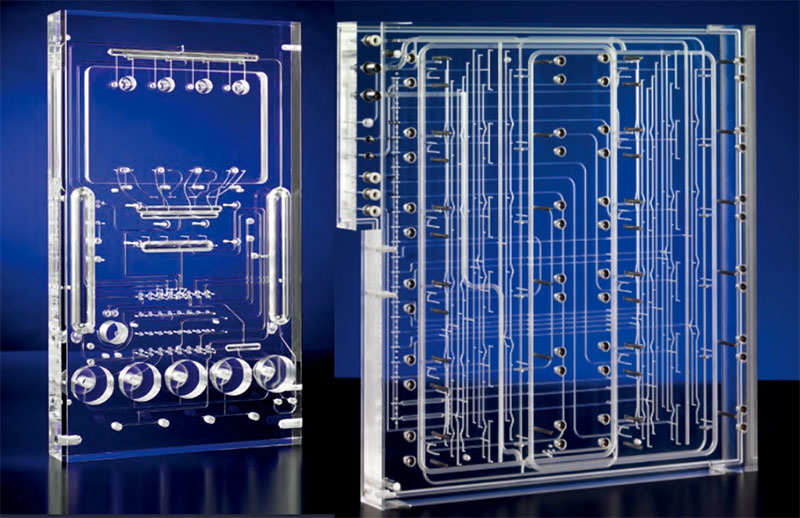
Acrylic materials are used in construction and are widely used in billboards, light boxes, car windows, sanitary ware, fish tanks, and many other fields. Acrylic is also used daily in various decorations, handicrafts, and household items.
Engraving and Cutting Settings: The Engraving Method should be back-engraved, i.e., engraved from the back of the material so that the front side has a better visual effect and three-dimensional sense. Mirror Image Graphics: Before engraving, the design graphics need to be mirrored to ensure that the finished product has the correct pattern direction.
Engraving parameters: Adjust the speed and power of the engraving machine, which usually requires fast speed and low power to prevent the bottom surface from producing unsmooth stripes. If a deeper engraving effect is required, shallow engraving can be done several times.
Cutting Notes: Use a blowing device to help remove debris from the cutting process and improve the quality of the cut. For acrylic with a thickness of more than 8mm, replace the cutting tool with a suitable large-diameter cutting tool. Clean the cutting surface and wipe with a damp cloth to remove residual debris and oil.Safety measures: Wear PPE, such as goggles and a dust mask, to prevent splash injury. Pay attention to chip disposal, avoid using your hands to clean up directly, and use tools such as an iron hook to quickly clean up the cutting area.
Color filling and polishing: Before partial color filling after engraving, ensure that the color filling area has been engraved to the appropriate depth and flame polished to obtain uniform color filling. Use color-filling materials suitable for acrylic and avoid pigments that may impair its gloss.Temperature control: Acrylic is sensitive to temperature. Avoid excessive temperature during processing to avoid deformation or softening of the material. Keep the workshop well-ventilated to help dissipate heat.
Equipment Maintenance: Regularly check and maintain the CNC equipment to ensure that the cutting tools are sharp and the equipment is running stably to minimize undesirable phenomena during processing, such as chipping or cracking.
Please use the contact form below to contact Us. Our sales team will be delighted to help with all your inquiries.