National Day Decorations: Enhancing the Festive Atmosphere
Acrylic was widely used in parade viewing stands for its high light transmittance (up to 92%), which intensified the visual impact of national flags and thematic displays under sunlight. Its weather-resistant properties ensured that installations retained their color and structural integrity outdoors, maintaining an aesthetic appeal throughout the celebrations.
Commemorative Exhibitions: Presenting Historical Depth
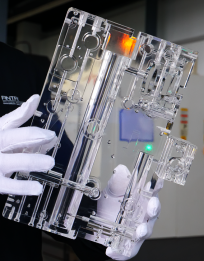
Inside victory memorial halls, acrylic was employed for display panels and protective casings. Using high-precision UV printing, historical images and texts were reproduced with clarity, taking advantage of the material’s transparency to create a visually engaging experience. The durability and optical quality of acrylic also allowed full visibility of artifacts, enabling visitors to examine items from all angles without compromising conservation standards.
Themed Cultural Products: Promoting Historical Awareness
A range of commemorative items—such as badges, bookmarks, and notebooks—featured acrylic construction. Detailed engraving and finishing techniques incorporated symbolic motifs from both National Day and anti-fascist history. The material’s lightweight and eco-friendly characteristics aligned with modern consumption values, making these products both practical and meaningful.
Outdoor Advertising: Expanding Communicative Reach
Acrylic-based outdoor billboards and installations—featuring designs like doves of peace and victory flags—effectively captured public attention. The material’s adaptability to complex shapes and high visibility, even from a distance, helped amplify the events’ core messages and foster national pride.
In summary, acrylic proved to be a vital material in supporting the execution and dissemination of these major national and historical commemorations. Its functional properties and aesthetic flexibility highlighted its value in large-scale public and educational applications.